

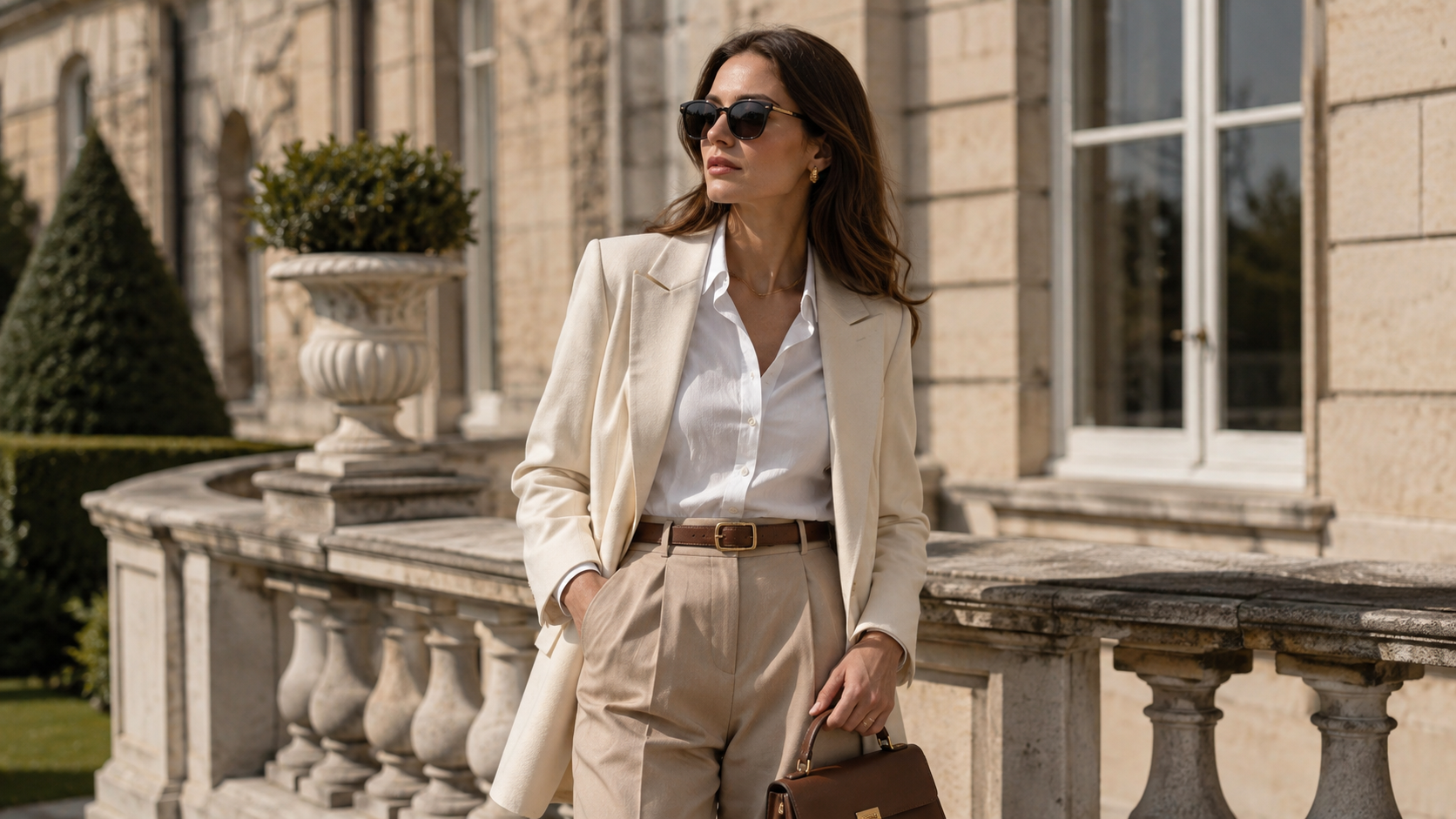
Old money fashion style explained with timeless wardrobe essentials, neutral colors, classic tailoring, fabrics, accessories, and outfit ideas
Old Money Fashion Style Explained
Fashion trends come and go, but some styles remain elegant for decades. Old money fashion style is one of the most recognizable examples of timeless dressing. Instead of relying on large logos, flashy designs, or seasonal trends, this aesthetic focuses on classic tailoring, quality fabrics, neutral colors, understated accessories, and effortless elegance.
If you have been searching for old money fashion style explained, the simplest way to understand it is this: it is a refined approach to dressing that prioritizes timeless pieces and sophisticated simplicity over obvious displays of wealth.
The aesthetic is closely associated with concepts such as quiet luxury, understated luxury, classic fashion, and timeless wardrobes. However, you do not need an expensive designer wardrobe to achieve the look. With the right silhouettes, colors, fabrics, and styling choices, anyone can create an old money-inspired outfit.
What Is Old Money Fashion Style?
Old money fashion style refers to a classic and sophisticated way of dressing inspired by traditional upper-class wardrobes and heritage fashion.
The look is generally polished without appearing overly styled. Clothing tends to feature clean silhouettes, subtle patterns, refined materials, and timeless colors.
Typical elements include:
- Tailored blazers
- Oxford shirts
- Polo shirts
- Linen shirts
- Straight-leg trousers
- Pleated trousers
- Cashmere or fine-knit sweaters
- Classic loafers
- Ballet flats
- Leather belts
- Structured handbags
- Minimal jewelry
- Neutral color combinations
The main principle is quality over quantity. Rather than constantly buying trendy pieces, an old money wardrobe is built around versatile clothing that can be worn for years.
Key Characteristics of Old Money Fashion
Understanding the key characteristics makes it easier to recreate the aesthetic.
1. Timeless Clothing
An old money wardrobe is built around pieces that do not depend heavily on current fashion trends.
A crisp white shirt, navy blazer, beige trousers, loafers, and a well-fitted cardigan can remain stylish season after season.
This emphasis on longevity is one of the defining features of old money fashion style.
2. Neutral Color Palette
Color plays an important role in creating a sophisticated appearance.
Popular old money colors include:
- White
- Cream
- Beige
- Camel
- Navy
- Black
- Brown
- Gray
- Olive
- Burgundy
A neutral color palette makes individual garments easier to combine and creates a polished overall appearance.
3. Classic Tailoring
Fit is often more important than the price of the clothing.
Classic tailoring creates a clean and structured silhouette without making an outfit look excessively formal.
Look for:
- Properly fitted shoulders
- Clean trouser lines
- Natural silhouettes
- Structured blazers
- Well-proportioned shirts
- Minimal excess fabric
Avoid clothing that is extremely tight or excessively oversized when creating a traditional old money-inspired look.
4. Quality Fabrics
Fabric can dramatically change the appearance of an outfit.
Common choices include:
- Cotton
- Linen
- Wool
- Cashmere
- Silk
- Suede
- Leather
- Tweed
Natural fabrics often add texture and depth while maintaining the understated appearance associated with quiet luxury fashion.
5. Minimal Logos
One of the easiest ways to distinguish old money style from logo-heavy luxury fashion is the treatment of branding.
The aesthetic generally favors subtle branding or no visible branding at all.
Instead of making a large logo the focal point, the outfit relies on:
Fit + Fabric + Color + Silhouette + Styling
This creates a sophisticated appearance without needing obvious designer labels.
Old Money Fashion vs. Quiet Luxury
The terms old money fashion and quiet luxury are often used interchangeably, but they are not exactly the same.
Old money fashion is an aesthetic inspired by traditional, heritage-oriented dressing. It often includes classic preppy elements, tailored clothing, polished accessories, and timeless silhouettes.
Quiet luxury is a broader modern approach to luxury that emphasizes exceptional materials, craftsmanship, subtle design, and minimal branding.
There is significant overlap between the two.
For example, a cream cashmere sweater, tailored navy trousers, leather loafers, and a structured handbag can work within both aesthetics.
Old Money Wardrobe Essentials
If you want to build an old money wardrobe, start with versatile basics rather than buying dozens of statement pieces.
White Button-Down Shirt
A crisp white button-down shirt is one of the most versatile pieces you can own.
Wear it with tailored trousers for a polished outfit or pair it with jeans for a more relaxed interpretation of the aesthetic.
Tailored Blazer
A navy, beige, gray, or black blazer instantly adds structure to an outfit.
Choose a timeless cut rather than an extremely trendy silhouette.
Straight-Leg Trousers
Tailored trousers create a sophisticated foundation for both casual and formal outfits.
Neutral shades such as beige, cream, gray, navy, and black are particularly versatile.
Knitwear
Fine-knit sweaters, cardigans, polo-neck sweaters, and cashmere-style knitwear work particularly well during colder months.
Choose simple designs with minimal decoration.
Linen Shirts
For warm weather, linen shirts are an excellent choice.
White, cream, beige, light blue, and muted earth tones create an effortless summer look.
Classic Jeans
Jeans can also work with old money styling when the fit and wash are carefully selected.
Straight-leg or relaxed classic denim in a clean, medium or dark wash generally works better than heavily distressed styles.
Loafers
Loafers are a classic footwear choice for this aesthetic.
Leather or suede loafers can be styled with trousers, dresses, skirts, chinos, and jeans.
Old Money Fashion for Women
For women, old money fashion style combines elegance, simplicity, and polished femininity.
Some popular outfit combinations include:
Look 1: White button-down shirt + beige tailored trousers + leather loafers
Look 2: Knit cardigan + straight-leg jeans + ballet flats + structured handbag
Look 3: Navy blazer + white top + cream trousers + loafers
Look 4: Linen shirt + wide-leg trousers + leather sandals
Look 5: Simple midi dress + cardigan + understated jewelry
Accessories should complement the outfit rather than dominate it.
Pearls, delicate gold jewelry, leather handbags, silk scarves, classic watches, and simple sunglasses can work particularly well.
Old Money Fashion for Men
For men, the aesthetic typically focuses on classic tailoring and relaxed sophistication.
Essential pieces include:
- Oxford shirts
- Polo shirts
- Chinos
- Pleated trousers
- Navy blazers
- Knit sweaters
- Linen shirts
- Loafers
- Leather belts
- Classic watches
A simple combination such as a light-blue Oxford shirt, beige chinos, brown loafers, and a navy blazer captures the essence of the style without looking overly formal.
Old Money Summer Fashion
Summer is particularly suited to the old money aesthetic because lightweight natural fabrics can create an effortlessly elegant appearance.
Consider:
- Linen shirts
- Cotton trousers
- Pleated shorts
- Polo shirts
- Lightweight knitwear
- Midi dresses
- Leather sandals
- Loafers
- Straw accessories
A cream linen shirt paired with tailored beige trousers and brown leather accessories is a simple example of old money summer fashion.
The key is to keep the outfit breathable, comfortable, and refined.
Old Money Winter Fashion
For winter, layering becomes an important part of the aesthetic.
Try combining:
- Wool coats
- Cashmere sweaters
- Turtlenecks
- Cable-knit sweaters
- Tailored trousers
- Chelsea boots
- Leather loafers
- Scarves
- Structured handbags
Camel, navy, charcoal, cream, brown, and burgundy are particularly effective winter colors.
Layering different textures can make a neutral outfit look sophisticated without adding loud patterns.
How to Create an Old Money Look on a Budget
You do not need a luxury budget to create an old money-inspired wardrobe.
Start by investing in versatile basics rather than expensive logos.
Choose Fit Over Branding
A well-fitting affordable blazer can look more sophisticated than an expensive blazer with an unsuitable fit.
Build Around Neutrals
Start with white, cream, beige, navy, gray, black, and brown.
These colors can easily be mixed and matched.
Buy Fewer, Better Pieces
Instead of buying many trend-driven items, focus on pieces that you can wear repeatedly.
Think about cost per wear before purchasing.
Look for Quality Construction
Pay attention to stitching, fabric composition, buttons, zippers, seams, and garment structure.
These small details can make a significant difference in how clothing looks and feels.
Common Old Money Fashion Mistakes
Creating the aesthetic is not simply about wearing beige clothing and expensive-looking accessories.
Avoid these common mistakes:
Overusing Logos
Large logos can make the outfit feel more like conventional luxury branding than understated style.
Wearing Too Many Accessories
Minimal styling is usually more effective.
Choose a few intentional accessories rather than layering everything at once.
Ignoring Fit
Even high-quality clothing can look unpolished if it does not fit correctly.
Following Every Trend
The old money aesthetic is fundamentally about timelessness, so incorporating every current microtrend can weaken the overall look.
Making the Outfit Look Too Perfect
Old money-inspired dressing often works best when it feels natural rather than heavily constructed.
A slightly relaxed shirt, classic knitwear, or casually styled blazer can create an effortless appearance.
Is Old Money Fashion Still Trending?
Although fashion trends change constantly, the principles behind old money fashion have remained relevant because they are based on timeless clothing rather than short-lived trends.
The popularity of quiet luxury and minimalist fashion has also increased interest in understated clothing, neutral wardrobes, classic tailoring, and high-quality materials.
However, the strongest approach is not to copy a social-media aesthetic completely. Instead, take the principles that work for your lifestyle and incorporate them into your personal style.
How to Build an Old Money Capsule Wardrobe
A capsule wardrobe makes it easier to create multiple outfits from a limited number of pieces.
A simple starting collection could include:
- White button-down shirt
- Light-blue Oxford shirt
- Navy blazer
- Beige tailored trousers
- Straight-leg dark denim
- Neutral cardigan
- Fine-knit sweater
- Linen shirt
- Simple midi dress
- Classic loafers
- Leather belt
- Structured handbag
- Minimal watch
- Simple sunglasses
These pieces can be combined in numerous ways, allowing you to create sophisticated outfits without owning an oversized wardrobe.
Final Thoughts:Old Money Fashion Style Explained
The easiest way to understand old money fashion style explained is to think beyond expensive clothing. The aesthetic is fundamentally about timeless design, excellent fit, understated details, neutral colors, quality fabrics, and confident simplicity.
You do not need designer labels to achieve the look. A carefully selected wardrobe of classic pieces can create the same sense of refinement while remaining practical and versatile.
Ultimately, old money fashion is less about showing wealth and more about developing a timeless personal style that looks polished, effortless, and elegant.
connect on instagram
Please follow and like us: